English
- English
- Español
- Português
- русский
- Français
- 日本語
- Deutsch
- tiếng Việt
- Italiano
- Nederlands
- ภาษาไทย
- Polski
- 한국어
- Svenska
- magyar
- Malay
- বাংলা ভাষার
- Dansk
- Suomi
- हिन्दी
- Pilipino
- Türkçe
- Gaeilge
- العربية
- Indonesia
- Norsk
- تمل
- český
- ελληνικά
- український
- Javanese
- فارسی
- தமிழ்
- తెలుగు
- नेपाली
- Burmese
- български
- ລາວ
- Latine
- Қазақша
- Euskal
- Azərbaycan
- Slovenský jazyk
- Македонски
- Lietuvos
- Eesti Keel
- Română
- Slovenski
- मराठी
- Srpski језик

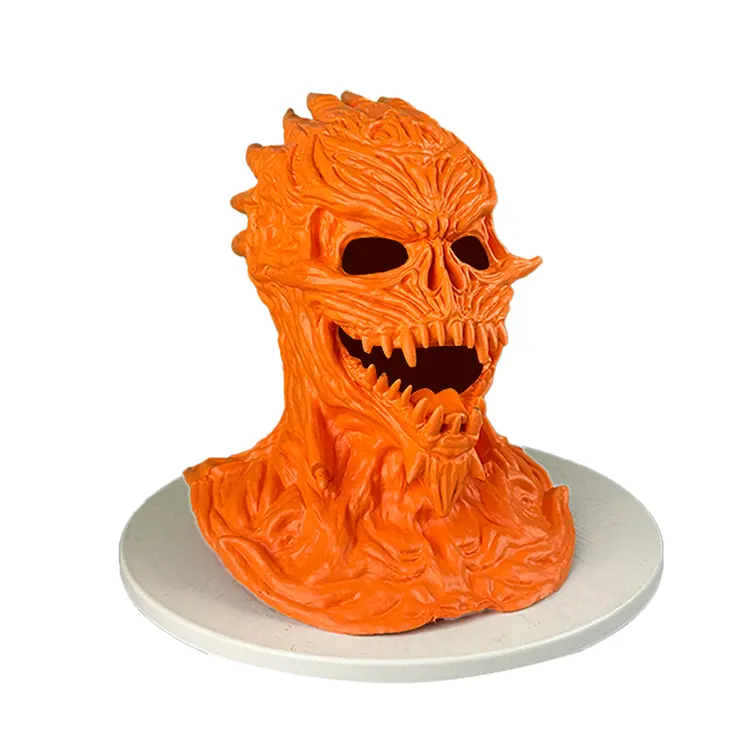
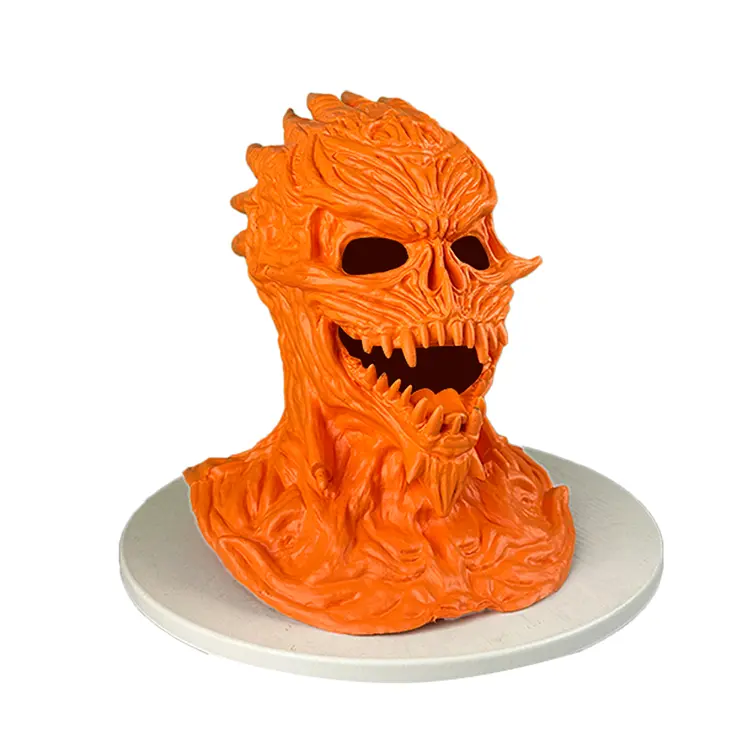
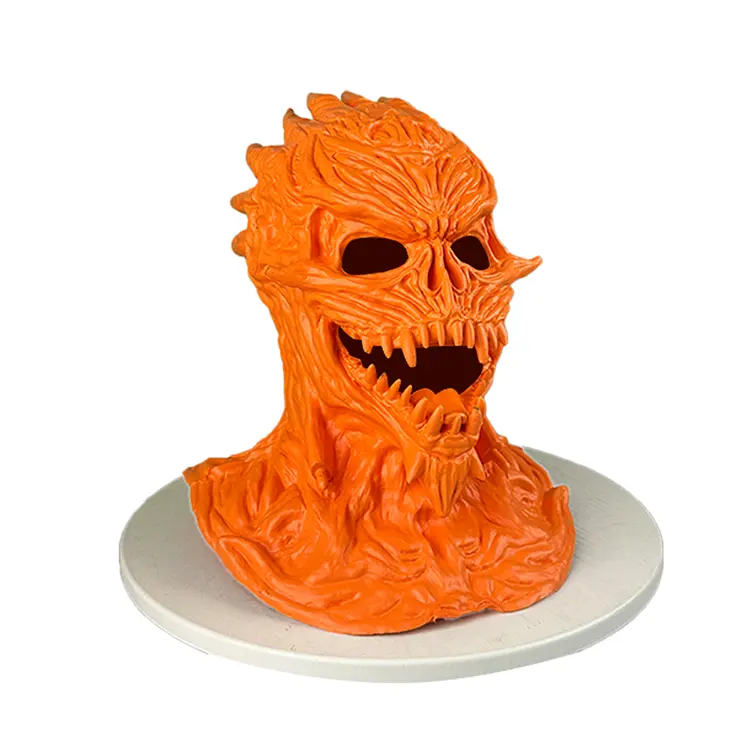
EVA Demon Mask: The Secret Behind Halloween's Favorite Headgear
On Halloween night, as a figure wearing a EVA Monster Helmet emerges from the shadows, the crowd screams and phones snap away—yet the true force behind this striking visual impact isn't heavy fiberglass, but lightweight, durable EVA foam. Thanks to its ultra-light weight, ability to capture intricate details, and breathable comfort, this material vastly outperforms traditional mask materials in terms of weight, cost, and wearability, making it a runaway hit in the Halloween prop market. From precision mold sculpting to hand-painting, EVA demon masks deliver cinematic visuals at a fraction of the cost; for consumers, purchasing one isn't just buying a prop—it’s securing an "admission ticket" to become the center of attention at the party.
So how did this humble foam become the crown jewel of Halloween headgear? Let's dive in.
Why EVA? The "Perfect Material" for Demonic Disguises
Before EVA took over, mask makers relied on materials like papier-mâché, rigid PVC, and heavy latex. Each had fatal flaws: they cracked, they suffocated, they cut into skin. Then came EVA (Ethylene-Vinyl Acetate), and the game changed.
Here's why EVA Monster Masks have become the gold standard for Halloween enthusiasts:
| Property | Why It Matters for Demon Masks |
|---|---|
| Ultra-Lightweight | Weighs a fraction of resin or latex. Wear it all night—dancing, chasing, posing—without neck strain. |
| High Detail Retention | Heat-shapeable and carveable. Perfect for sculpting twisted horns, cracked skin, and gnarled grins. |
| Breathable & Comfortable | Can be perforated with hidden air vents. No more "sweaty head" syndrome after 10 minutes. |
| Impact-Resistant | Survives drops, knocks, and enthusiastic party collisions. Won't shatter like hard plastics. |
| Paint-Friendly | Takes acrylic, spray paint, and airbrush like a dream. Achieve metallic sheen, aged leather, or bloody gore effects. |
The bottom line: EVA gives you professional-grade visual impact at a fraction of the weight and cost.
Where Did EVA Headgear Come From? A Quick Origin Story
EVA foam wasn't born in a costume shop. Its journey to your Halloween closet passed through a few surprising pit stops:
-
1960s–70s – Aerospace Innovation: Early EVA formulations were developed for insulation and padding in spacecraft. The same shock-absorbing properties that protected astronauts now protect your forehead.
-
1980s–90s – Sports & Medical Gear: EVA migrated into athletic helmets, shin guards, and orthopedic braces. Its blend of rigidity and cushioning made it ideal for repetitive impact.
-
2000s – Cosplay Revolution: As anime conventions exploded, prop makers discovered EVA's potential. It was cheap, accessible, and could be heated with a common heat gun to bend into armor, weapons—and yes, demon heads.
-
2010s–Present – Mainstream Halloween: Manufacturers refined the molding process, creating one-piece, seamless EVA mask shells. Today, you can buy a ready-to-wear demon mask that looks like it cost $500 for under $50.
Why Demon Masks? The Psychology of "Scary Fun"
Not all masks are created equal. Demons consistently rank among the top-selling Halloween headgear. Why?
-
Archetypal Fear: Demons tap into primal, universal dread. The horns, the snarl, the hollow eyes—they work across cultures.
-
Versatile Pairing: A demon mask works with a robe, a suit, a leather jacket, or even a tuxedo. It's the most flexible "big bad" look you can buy.
-
Photogenic Factor: Let's be honest—Halloween is about the photos. A sculpted EVA demon mask creates dramatic shadows and angles that pop under party lights and phone flashes.
As one costume designer put it: "A demon mask sells itself. EVA just makes it wearable for more than five minutes."
Where Are EVA Demon Masks Most Commonly Seen?
Your product isn't just for door-to-door trick-or-treating. EVA demon masks have infiltrated a wide range of settings:
| Setting | Why EVA Demon Masks Fit Perfectly |
|---|---|
| Halloween House Parties | Lightweight enough for dancing; dramatic enough to be the centerpiece of group costumes. |
| Haunted Attractions & Escape Rooms | Actors wear them for 6+ hour shifts. EVA's breathability and low weight prevent fatigue. |
| Cosplay Conventions | Easy to carry, easy to modify, and con-friendly (no sharp edges, no heavy baggage fees). |
| Themed Nightclubs & Raves | Glow-in-the-dark or LED-enhanced EVA versions are huge for electronic music events. |
| Social Media Content | TikTok and Instagram creators love EVA masks for quick-change skits and horror-themed shorts. |
| Theater & Indie Film | Low-budget productions use painted EVA masks as practical props—they look great on camera and don't break the bank. |
Pro Tips: How to Choose & Care for Your EVA Demon Mask
Want to get the most out of your purchase? Keep these pointers in mind:
-
Check the Interior: Look for a smooth, sanded inner surface. Some cheap masks leave rough edges—a good EVA mask feels comfortable against skin.
-
Ventilation Matters: If it doesn't have nose or mouth holes, add them carefully with a craft knife. Function > pure fright.
-
Paint it Yourself: Many EVA masks come in plain gray or black "blank" versions. Customize with metallic acrylics or fake blood for a one-of-a-kind look.
-
Storage: Keep it away from direct sunlight for long periods—UV rays can degrade EVA foam over time. A cool, dry closet is perfect.
-
Cleaning: Wipe with a damp cloth and mild soap. Never submerge in water—the foam absorbs moisture and loses its shape.
The Verdict: EVA Turned a Costume Into a Category
The rise of the EVA demon mask isn't a coincidence. It's the perfect marriage of material science and cultural ritual. The foam gives creators the freedom to sculpt nightmares, while giving wearers the comfort to actually enjoy the party.
So this Halloween, when you slip on that horned, snarling, crimson-eyed demon head, remember—you're not just putting on a mask. You're strapping on decades of material innovation, a dash of cosplay ingenuity, and a whole lot of theatrical mischief.
And honestly? That's what makes the night unforgettable.
Related News
- How Are EVA Daily Appliances Changing Everyday Product Design?
- Why Are EVA Bags Becoming a Growing Trend in Modern Lifestyle Products?
- EVA Pet Dart: A Practical Guide to Choosing a Safe and Fun Dog Toy
- Every fine bottle deserves to travel in style—A practical guide to EVA Wine Holder Bag.
- Why Is an EVA Pet Toy Donut the Perfect Choice for Durable, Safe, and Engaging Pet Playtime
- Why Should You Choose EVA Halloween Headgear for a Memorable Halloween Experience
Leave me a message