English
- English
- Español
- Português
- русский
- Français
- 日本語
- Deutsch
- tiếng Việt
- Italiano
- Nederlands
- ภาษาไทย
- Polski
- 한국어
- Svenska
- magyar
- Malay
- বাংলা ভাষার
- Dansk
- Suomi
- हिन्दी
- Pilipino
- Türkçe
- Gaeilge
- العربية
- Indonesia
- Norsk
- تمل
- český
- ελληνικά
- український
- Javanese
- فارسی
- தமிழ்
- తెలుగు
- नेपाली
- Burmese
- български
- ລາວ
- Latine
- Қазақша
- Euskal
- Azərbaycan
- Slovenský jazyk
- Македонски
- Lietuvos
- Eesti Keel
- Română
- Slovenski
- मराठी
- Srpski језик

How Are EVA Daily Appliances Changing Everyday Product Design?
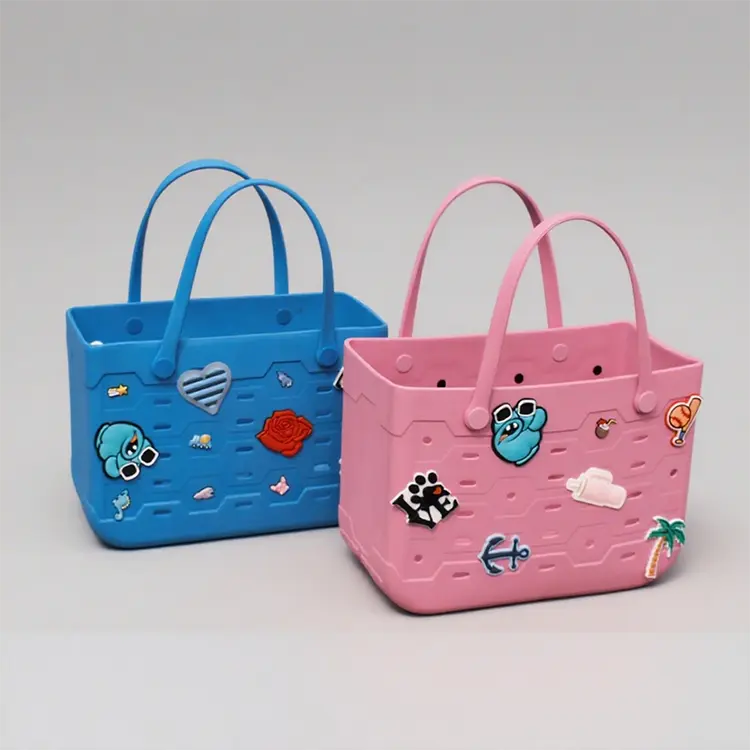
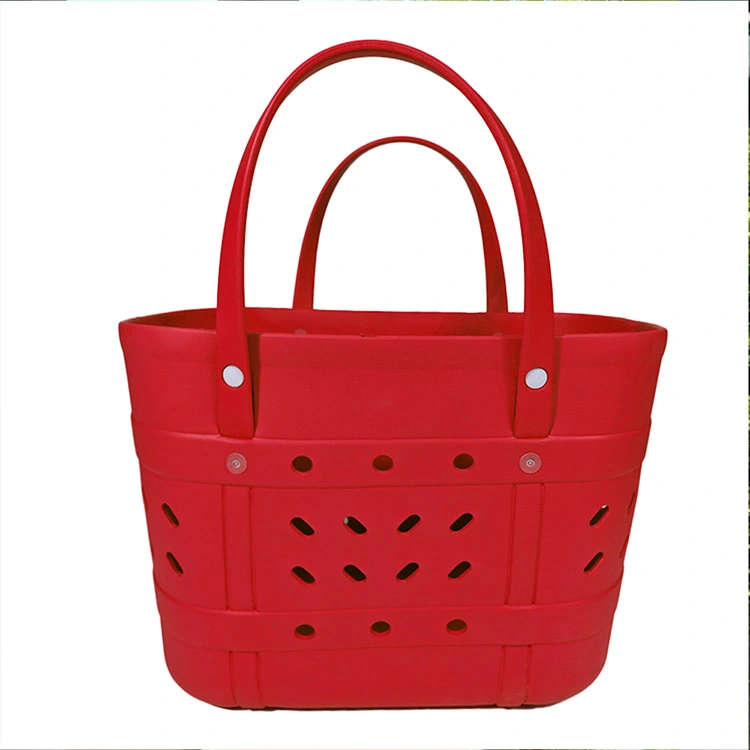
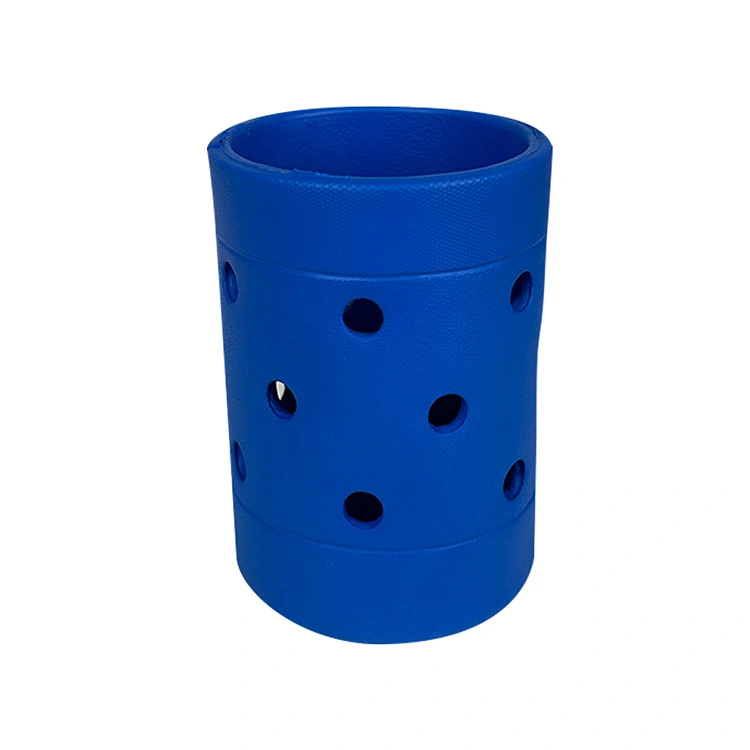
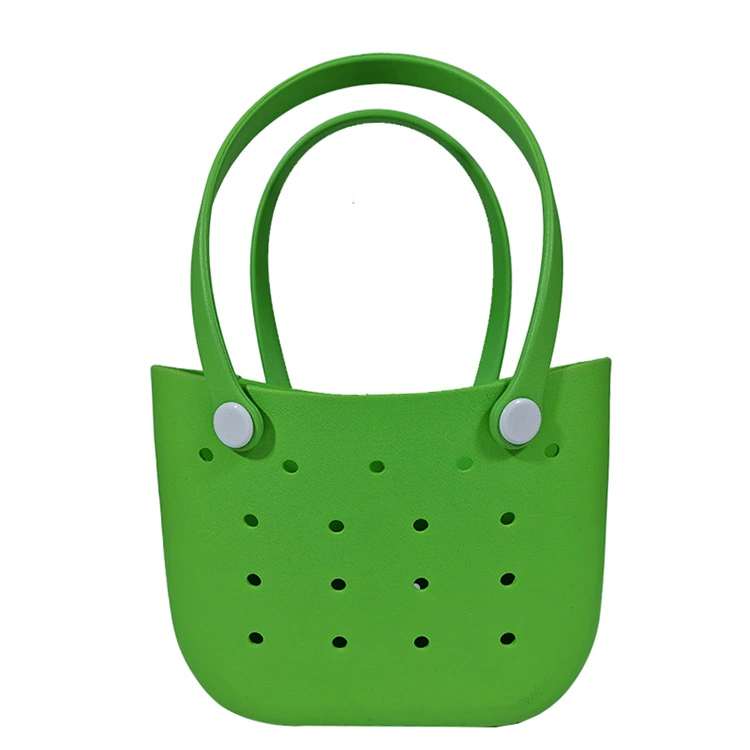
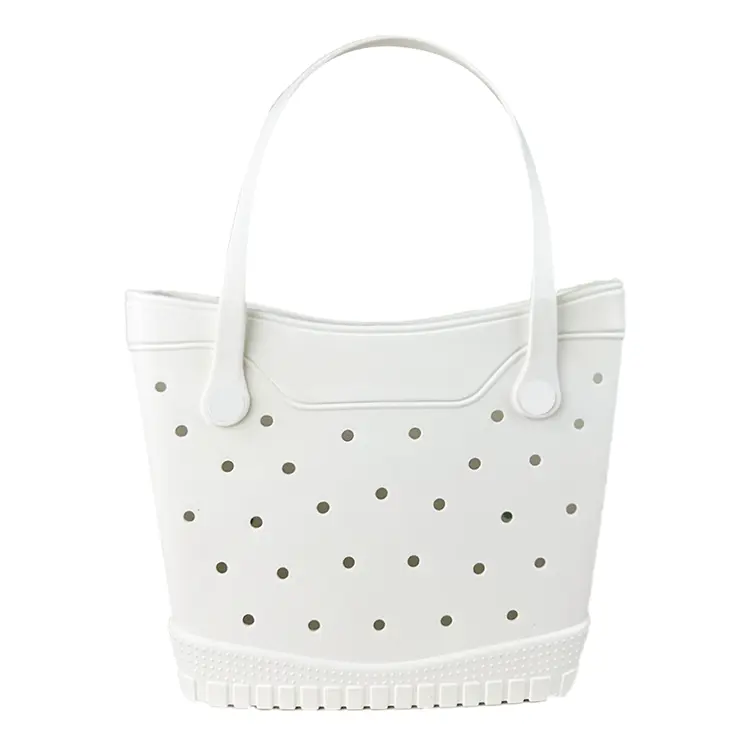
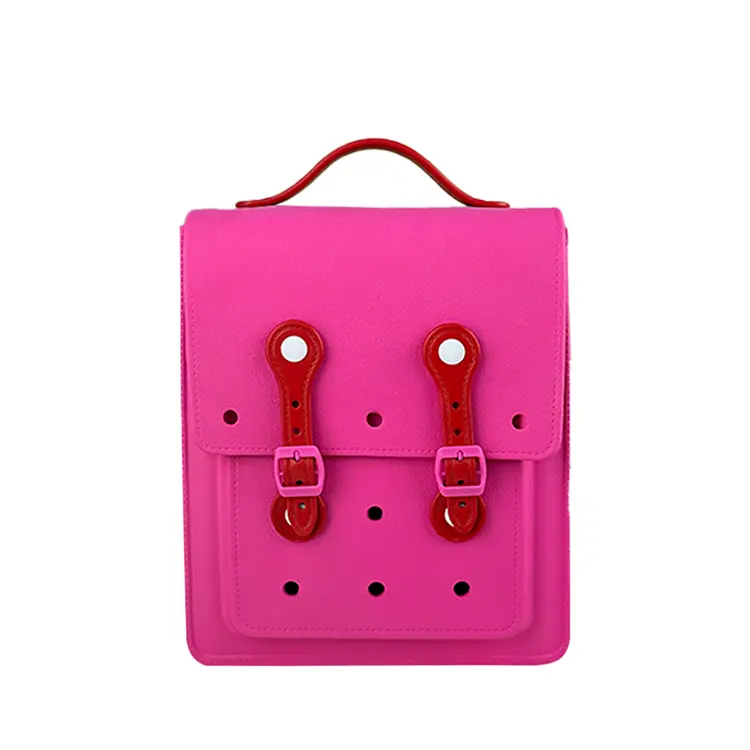
EVA Daily Appliances are becoming an interesting direction in the development of modern household and lifestyle products. As material technology continues to improve, manufacturers are exploring lightweight, flexible, durable, and easy-to-maintain materials for products used in everyday environments. EVA, known for its flexibility, cushioning properties, low weight, and resistance to moisture, provides a practical material option for a wide range of applications.
The development of modern daily-use products is no longer focused only on basic functionality. Product designers are paying greater attention to comfort, portability, appearance, maintenance, and environmental considerations. This shift is encouraging manufacturers to combine material innovation with scenario-based product development, creating solutions that are better suited to different habits and living environments.
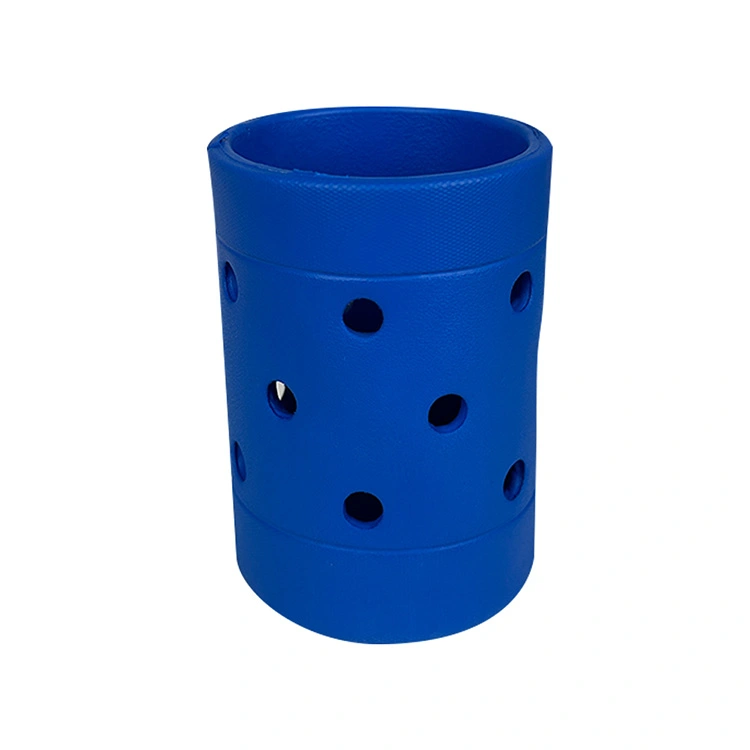
Why Material Selection Matters in Everyday Products
The material used in a daily-use product directly affects how it feels, performs, and maintains its appearance during regular use. Household and lifestyle products are often exposed to repeated handling, moisture, friction, temperature changes, and frequent cleaning. A suitable material therefore needs to provide a balanced combination of flexibility, structural stability, durability, and user comfort.
EVA is a closed-cell polymer material that can be formulated for different levels of softness, hardness, resilience, and surface performance. This flexibility in material formulation gives manufacturers greater freedom when developing products for different usage scenarios. Instead of relying on one fixed material characteristic, manufacturers can adjust the material properties according to the intended application.
Balancing Flexibility and Structural Stability
One important characteristic of EVA is its ability to remain relatively flexible while maintaining useful structural support. This balance is valuable for products that need to provide cushioning or a comfortable touch without becoming excessively heavy.
For example, products used around the home may need a soft surface for comfortable contact while still requiring sufficient shape retention. Products designed for travel or outdoor use may require flexibility together with resistance to moisture and repeated handling. By adjusting the material formulation and mold structure, manufacturers can develop products with different physical characteristics while maintaining consistent production requirements.
| Material Characteristic | Practical Application |
|---|---|
| Lightweight structure | Supports easier handling and portability |
| Flexible performance | Improves comfort and product adaptability |
| Cushioning ability | Helps reduce impact during everyday use |
| Moisture resistance | Supports use in humid or wet environments |
| Easy-care surface | Helps simplify routine cleaning and maintenance |
How Scenario-Based Design Is Influencing Product Development
Daily products are increasingly designed around specific activities rather than broad product categories. A product may be used at home, during travel, in outdoor leisure activities, or alongside personal hobbies. Each environment creates different requirements for material performance and product structure.
This scenario-based approach allows manufacturers to identify practical problems before designing the final product. Instead of simply creating an object with a basic function, developers can consider how it will be carried, stored, cleaned, handled, and used over time.
Products Designed Around User Habits
Convenience is a major consideration in everyday product development. A useful product should fit naturally into existing routines without creating unnecessary complexity. Lightweight construction, flexible shapes, comfortable surfaces, and simple maintenance can all contribute to a better experience.
For storage-related products, for instance, flexibility can help with handling and transportation. For personal comfort products, cushioning and softness can become important design factors. For leisure products, durability and easy cleaning may be more valuable. These different requirements demonstrate why material selection needs to be closely connected with the intended application.
Manufacturers with experience in EVA injection molding can use mold geometry and material formulation together to create products suited to specific scenarios. This combination allows designers to consider both appearance and physical performance during the early stages of development.
Design Flexibility Creates New Product Possibilities
One of the important advantages of injection molding is the ability to transform detailed product concepts into repeatable physical structures. When the mold is properly developed, manufacturers can produce consistent shapes and surface details while maintaining stable production quality.
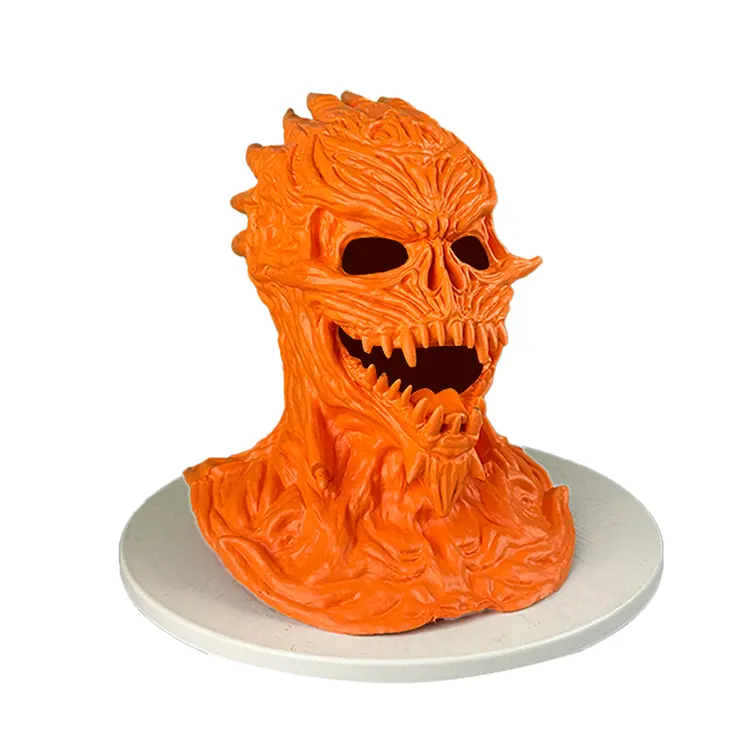
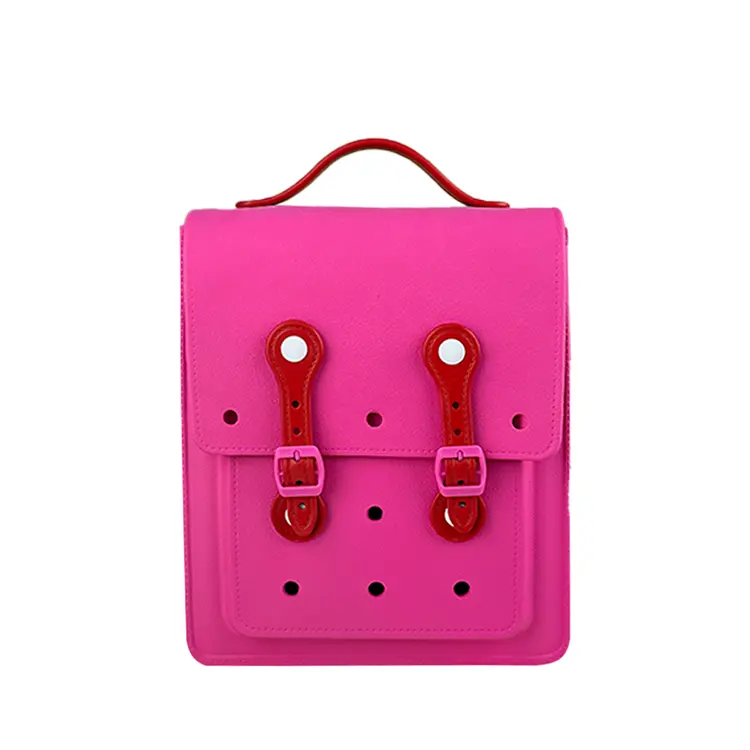
Modern consumers are also increasingly interested in products with distinctive visual characteristics. Simple functional design is often combined with appealing colors, recognizable shapes, decorative elements, or themed appearances. This is particularly relevant to lifestyle products, fashion accessories, pet products, animation-related merchandise, and leisure items.
From Digital Concept to Physical Product
Digital design has become an important part of modern mold development. Three-dimensional product concepts allow designers and engineers to examine the structure before manufacturing begins. This can help identify potential problems related to shape, wall thickness, assembly, handling, and mold construction.
A well-organized development process can connect product design with mold manufacturing more efficiently. After the initial concept is confirmed, the mold can be developed according to the required structure, followed by sample production and evaluation. Feedback from the sample stage can then be used to refine the design before regular manufacturing begins.
This process is especially useful for customized products because appearance and functionality may need to be adjusted according to different market requirements. Professional communication between design and manufacturing teams can reduce unnecessary revisions and improve the consistency of the final product.
Where Flexible Lifestyle Products Can Be Applied
The application range of flexible molded products extends across many aspects of daily life. Their lightweight characteristics make them suitable for products that need to be frequently carried or moved, while their cushioning performance creates opportunities in products where comfort and impact resistance are important.
Outdoor leisure is one area where these characteristics can be particularly useful. Products used near beaches, swimming areas, parks, fitness spaces, and travel destinations may be exposed to moisture, dirt, and frequent handling. Materials that are easy to clean and resistant to moisture can therefore provide practical advantages.
Outdoor and Leisure Applications
Outdoor products need to consider the environment in which they will be used. A product intended for recreational activities may need to be lightweight enough for convenient transportation while also maintaining sufficient durability for repeated use.
Flexible molded structures can support different forms of outdoor accessories, storage products, comfort products, and recreational equipment. Product designers can also integrate handles, textured surfaces, molded details, and other functional structures directly into the product design.
For leisure-oriented products, appearance can be just as important as physical performance. Bright colors, smooth surfaces, playful shapes, and distinctive patterns can help create a stronger visual identity. This is one reason flexible molded materials are receiving attention in lifestyle-oriented product development.
Personal Comfort and Fitness Applications
Comfort-focused products require careful consideration of softness, resilience, surface feel, and long-term usability. Fitness and wellness products may also need to withstand repeated compression, stretching, or contact with different surfaces.
EVA materials can be formulated for different hardness levels, making them suitable for products where cushioning and comfortable contact are required. Applications may include yoga accessories, exercise-related products, cervical support products, and other personal comfort items.
In these applications, product design and material formulation need to work together. Excessive softness may reduce structural stability, while excessive hardness may negatively affect comfort. Manufacturers therefore need to select suitable material characteristics according to the intended use rather than applying the same formulation to every product.
Pet Products Require Practical Material Considerations
Pet-related products have become another area of interest for flexible material manufacturers. Products used by pets may experience repeated contact, chewing, friction, moisture, and frequent cleaning. These conditions create specific requirements for material selection and structural design.
A well-designed pet product should consider not only its appearance but also its handling characteristics and intended activity. Flexible structures can provide comfortable contact, while appropriate molding methods can create shapes that are easy to handle and clean.
Combining Function With Engaging Shapes
Pet products often benefit from playful forms and recognizable designs. Manufacturers can use mold development technology to create products with different shapes, textures, and surface details while maintaining a consistent production process.
The same principle can be applied to other lifestyle products. A functional object does not necessarily need to have a plain appearance. With modern molding technology, designers can integrate practical structures with visual elements that make the finished product more engaging.
Why Mold Development Is Central to Product Quality
The quality of an injection molded product depends heavily on the relationship between material properties, product design, and mold construction. Even when the selected material is appropriate, an unsuitable mold structure can affect surface quality, dimensional consistency, filling behavior, and production stability.
For this reason, mold development should be considered an important part of product engineering rather than simply a manufacturing step. Engineers need to evaluate the product structure, material behavior, cooling requirements, demolding conditions, and other factors before regular production begins.
Precision in the Development Process
A systematic development process helps manufacturers control product consistency. Three-dimensional design data can be reviewed before mold construction, while sample production provides an opportunity to assess the physical result.
During the sampling stage, developers can examine the product shape, surface condition, flexibility, handling characteristics, and overall appearance. If adjustments are required, the design or mold can be refined before moving into mass production.
| Development Stage | Main Consideration |
|---|---|
| Concept development | Function, appearance, and application requirements |
| Digital modeling | Product geometry and structural feasibility |
| Mold development | Manufacturing precision and production stability |
| Sample evaluation | Appearance, performance, and practical usability |
| Production preparation | Process consistency and quality control |
How Environmental Considerations Are Changing Manufacturing
Environmental responsibility is becoming an increasingly important consideration in material and product development. Manufacturers are paying greater attention to material efficiency, production processes, product durability, and the practical service life of finished products.
Longer product usability can reduce the need for frequent replacement and may contribute to more responsible consumption patterns. At the same time, manufacturers are researching improved material modification technologies to achieve suitable performance while considering environmental requirements.
Moving Toward More Responsible Material Solutions
Environmental product development requires a comprehensive approach. Material selection is only one part of the process. Manufacturing efficiency, product structure, quality control, packaging, transportation, and intended service life can all influence the overall environmental impact of a product.
Flexible material modification technology provides manufacturers with more opportunities to explore different formulations for specific applications. Instead of treating environmental performance and product functionality as separate objectives, developers can consider both during the design process.
This approach is particularly relevant to lifestyle products, where practical performance, appearance, comfort, and environmental expectations often need to be balanced within the same product concept.
The Role of OEM and ODM in Flexible Product Manufacturing
OEM and ODM services can help companies develop lifestyle products without building every stage of the manufacturing process internally. A capable manufacturing partner can participate in product design, mold development, sampling, production, quality management, and delivery coordination.
This model is particularly useful for companies that already have a product concept but require specialized injection molding capabilities. Instead of treating manufacturing as an isolated stage, an integrated development process can connect the original design idea with material selection, mold engineering, sampling, and production.
Turning Product Concepts Into Manufacturable Designs
A complete development workflow normally begins with a three-dimensional design or an initial product concept. Engineering teams can then work together to assess the structure and determine how it can be converted into a suitable mold.
After mold development, samples provide a physical reference for evaluating the product. Necessary modifications can be discussed at this stage before the production process is finalized. This reduces the risk of discovering major structural issues only after regular manufacturing has started.
For customized lifestyle products, this collaborative approach can also provide greater flexibility in appearance and functionality. Different product concepts can be evaluated according to their intended scenarios and manufacturing feasibility.
What Manufacturers Need to Consider for Long-Term Product Development
Successful product development requires more than producing a finished item. Manufacturers need to build a reliable process that can support repeated product development and consistent quality over time.
Technical experience is particularly important when products involve complex shapes, flexible materials, customized molds, or multiple application requirements. A stable development process can help reduce unnecessary production adjustments while supporting faster responses to changing market preferences.
Integrating Design, Engineering, and Production
When design, engineering, mold manufacturing, and production teams work closely together, potential issues can be identified earlier. This integrated approach also allows product developers to consider manufacturability while the design is still being refined.
For flexible molded products, the relationship between material behavior and mold structure is especially important. The same visual design may require different engineering solutions depending on the desired hardness, flexibility, surface characteristics, and final application.
Quality management should therefore continue throughout the development and manufacturing process. Consistent inspection procedures and clear production requirements can help maintain stable results across different product categories.
What the Future May Bring to Everyday Flexible Products
The future of everyday product development is likely to involve closer integration between material science, digital manufacturing, industrial design, and scenario-based applications. As consumers seek products that are convenient, attractive, durable, and more environmentally responsible, manufacturers will need to consider several requirements simultaneously.
Flexible molded materials have the potential to support this development because they offer considerable freedom in product shape and physical characteristics. Continued improvements in material modification and digital mold development may create additional opportunities for innovative lifestyle products.
More Personalized Product Experiences
Personalization is expected to remain an important direction in lifestyle product development. Consumers increasingly value products that fit individual preferences, hobbies, environments, and daily routines.
Manufacturers with flexible production capabilities can respond to this trend by developing products with different shapes, colors, textures, and functional configurations. Digital design tools can make it easier to evaluate new concepts, while advanced molding systems can support the transition from digital models to physical products.
This does not mean every product needs to become highly complex. In many cases, meaningful innovation can come from a simple improvement in handling, storage, comfort, cleaning, or portability. The most effective product development often starts with identifying a specific everyday requirement and then selecting the appropriate material and manufacturing method.
Why Integrated Manufacturing Capabilities Matter
As flexible material products continue to enter different lifestyle sectors, manufacturers need to provide more than basic molding services. Product development increasingly requires coordination between material technology, mold engineering, production management, quality control, and customized service.
An integrated manufacturing system can make communication between different stages more efficient. It can also help ensure that the original product concept remains consistent as it moves from design development to mold construction, sampling, and regular production.
For companies developing new lifestyle products, this type of manufacturing capability can provide a more practical route from concept to finished product. It also creates a foundation for continuous product improvement as market requirements evolve.
Conclusion
The development of EVA Daily Appliances reflects a broader change in everyday product manufacturing. Lightweight materials, flexible structures, scenario-based design, digital mold development, and environmental considerations are increasingly connected during the product development process.
Rather than focusing on a single material characteristic, modern manufacturers are looking at the complete relationship between product function, user experience, production feasibility, and long-term usability. This approach creates opportunities for flexible materials to serve a wider range of lifestyle, leisure, fitness, pet, fashion, and household applications.
Jinjiang Zhuoling New Materials Technology Co., Ltd. is positioned in this evolving field with capabilities covering EVA injection molding, flexible material modification, digital mold development, product sampling, OEM and ODM manufacturing, and quality management. Its product development experience extends across outdoor leisure products, pet products, animation-related products, and fashion footwear, while its manufacturing services connect design development with mold production and finished-product manufacturing. With a focus on practical applications and environmentally oriented material innovation, Jinjiang Zhuoling New Materials Technology Co., Ltd. provides integrated manufacturing solutions for companies developing new EVA-based lifestyle products and continues to explore new possibilities in flexible molded product technology.
Next :
-
Related News
- Why Are EVA Bags Becoming a Growing Trend in Modern Lifestyle Products?
- EVA Pet Dart: A Practical Guide to Choosing a Safe and Fun Dog Toy
- Every fine bottle deserves to travel in style—A practical guide to EVA Wine Holder Bag.
- EVA Demon Mask: The Secret Behind Halloween's Favorite Headgear
- Why Is an EVA Pet Toy Donut the Perfect Choice for Durable, Safe, and Engaging Pet Playtime
- Why Should You Choose EVA Halloween Headgear for a Memorable Halloween Experience
Leave me a message